What Brokers Should Know Before Submitting a Construction File
Construction files become easier to assess when brokers explain project timing, contracts, crew costs, and receivable schedules.
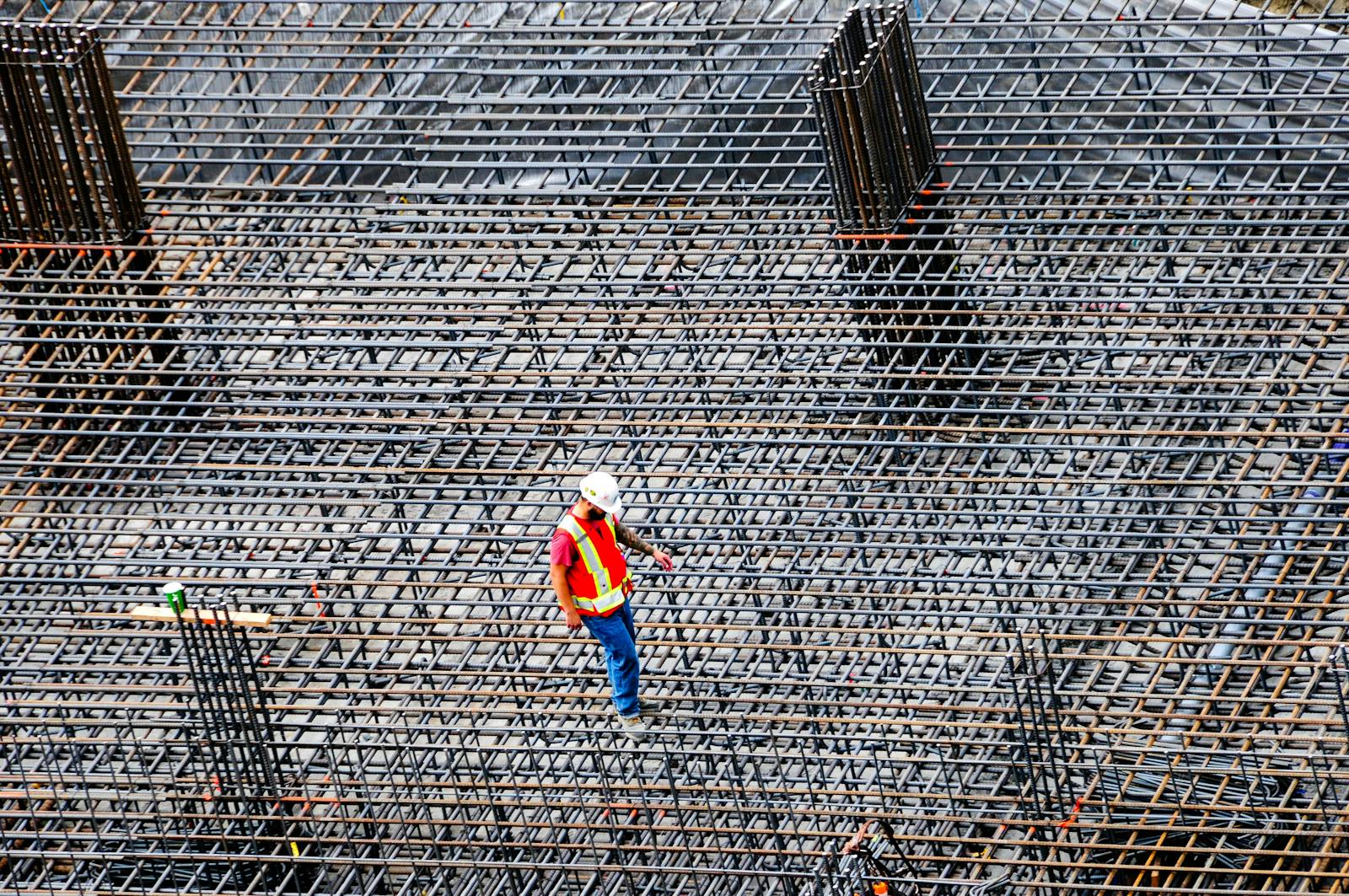
Construction cash flow rarely moves in a straight line
Construction cash flow rarely moves in a straight line. Materials, labor, permits, equipment, and mobilization costs may be due long before the next draw or customer payment arrives.
That timing gap is often the real reason a contractor requests capital. A strong construction submission explains the project cycle, not just the monthly deposit total.
At MonetaFi, construction businesses generally need at least one year in operation under current partner guidelines. Beyond that starting point, the quality of the project and cash flow story matters.
Identify the exact use of capital
Construction requests should be specific. Is the contractor purchasing materials, covering crew payroll, renting equipment, paying a supplier, or mobilizing a new job?
Tie the amount requested to the immediate need. If materials cost $80,000 and the merchant has $30,000 available, the gap is clearer than a general request for $100,000.
Specific use also helps the funding team understand how the capital could create revenue.
Explain the payment schedule
Project businesses may show uneven deposits because payments arrive at milestones. Provide context for retainage, draw schedules, customer terms, and expected receivables.
A signed contract, invoice schedule, purchase order, or aging report may support the story when relevant. The broker does not need to send every document at the first touch, but should know what exists and what can be produced.
If the contractor has several active jobs, explain whether the request supports one project or the broader operation.
Look closely at payroll and supplier pressure
Construction owners often protect the project by paying crews and suppliers before paying themselves. The bank account may show tight balances even when the backlog is strong.
Repeated negative days, returned items, or supplier debits still matter. The broker should identify whether the pressure is a temporary project timing issue or a chronic margin problem.
The distinction affects the structure. Capital can bridge timing, but it cannot repair a business model that consistently underprices work.
Position and project timing must align
A contractor with an existing position may still qualify for additional capital, especially when a new project has a clear path to payment. The combined payment must fit the period before the next draw.
Provide current payoff details and explain what the earlier capital funded. If the first obligation supported a project that is now paying, that context may be helpful.
We have completed substantial construction opportunities when the request, project economics, and timeline were clear. The file becomes stronger when the broker can show how the capital gets the contractor from mobilization to payment.
Frequently asked questions
At MonetaFi, construction businesses generally need at least one year in operation under current partner guidelines. Beyond that starting point, the quality of the project and the cash flow story carry the file.
Because payments arrive at project milestones rather than continuously. Retainage, draw schedules, and customer terms all delay receipts, which is why explaining the payment schedule matters more than the monthly deposit total.
A signed contract, invoice schedule, purchase order, or accounts receivable aging report when relevant, plus current payoff details on any active position. The broker should know what exists and what can be produced quickly.
About the author
- Steve Kamhi · Executive Director of Strategic Partnerships, MonetaFi